
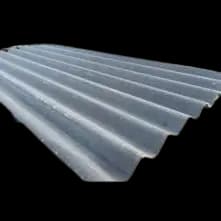
Shallow Corrugated Asbestos Cement Sheets are versatile roofing materials designed to provide durability, weather resistance, and cost-effectiveness. These sheets, crafted from a combination of asbestos fibers and cement, offer excellent strength and stability, making them suitable for residential, commercial, and industrial applications.
Their shallow corrugated design ensures efficient water drainage while providing structural integrity. Additionally, they are resistant to fire, corrosion, and pests, making them a preferred choice for long-lasting roofing and cladding solutions in varied climatic conditions.
The Asbestos or Fibre Cement Based Products (Quality Control) Order, 2024, issued by the Ministry of Commerce and Industry (Department for Promotion of Industry and Internal Trade), mandates that all manufacturers of Shallow Corrugated Asbestos Cement Sheets must obtain BIS certification (ISI Mark) before selling their products in India. BIS certification ensures that these sheets meet the stringent quality and safety requirements prescribed in Indian Standard IS 13008:1990. This standard outlines the essential parameters for durability, dimensional accuracy, and weather resistance. Certification involves rigorous testing and inspection to verify compliance, ensuring the sheets' suitability for various applications. Non-compliance with the Quality Control Order is punishable under the Bureau of Indian Standards Act, 2016, highlighting the importance of adhering to regulatory norms. BIS certification provides assurance to consumers about product reliability and builds trust in the marketplace.
BIS certification is crucial for maintaining the quality and safety of Shallow Corrugated Asbestos Cement Sheets. Under the Asbestos or Fibre Cement Based Products (Quality Control) Order, 2024, it is mandatory for manufacturers to obtain BIS certification, ensuring their compliance with IS 13008:1990. This standard specifies the sheets' physical properties, such as tensile strength, fire resistance, and weather durability, ensuring their performance in roofing and cladding applications. Certification prevents the sale of substandard products, protecting consumers from potential risks and enhancing the lifespan of structures. Manufacturers who fail to comply with the order are liable for penalties under the Bureau of Indian Standards Act, 2016. Thus, BIS certification not only ensures adherence to quality standards but also safeguards consumer interests and fosters market credibility.
The Indian Standard IS 13008:1990 specifies the quality and performance requirements for Shallow Corrugated Asbestos Cement Sheets, focusing on their application in roofing and cladding. The standard includes guidelines for dimensions, mechanical strength, and resistance to environmental factors such as fire, water, and temperature variations. It also details testing methods to evaluate the sheets' durability, ensuring their capability to withstand harsh conditions. Compliance with IS 13008:1990 is mandatory under the Asbestos or Fibre Cement Based Products (Quality Control) Order, 2024, and is a prerequisite for obtaining BIS certification. This ensures the availability of high-quality products in the market, enhancing consumer safety and satisfaction while promoting sustainable building practices.
The BIS certification process for Shallow Corrugated Asbestos Cement Sheets involves multiple steps, designed to thoroughly evaluate a product's compliance with the required standards. Here is a general overview of the certification process:

Additionally, manufacturers may be required to provide proof of compliance with environmental and safety regulations, depending on the specific type of product being certified.
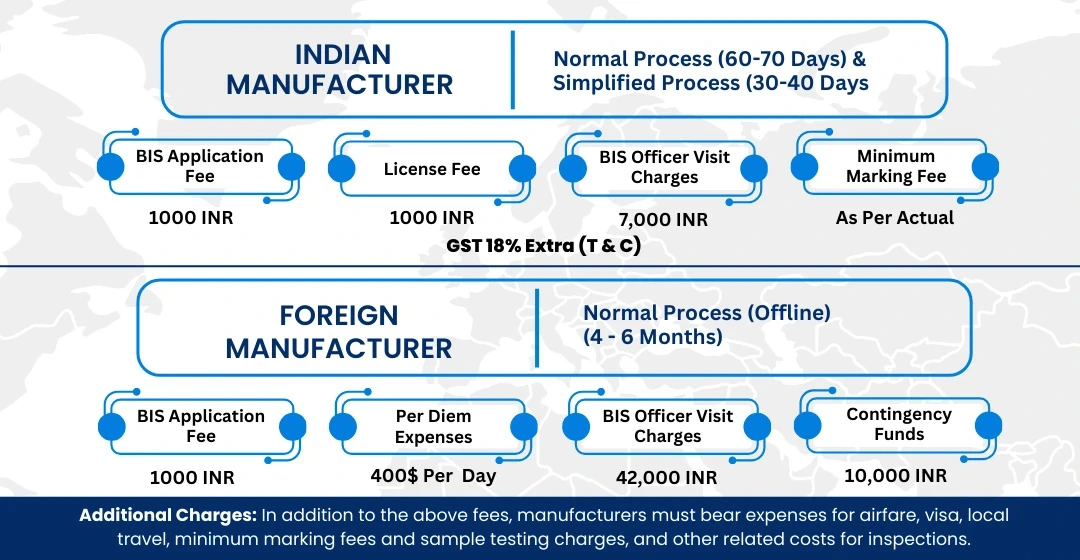
BIS certification for Shallow Corrugated Asbestos Cement Sheets is essential to ensure adherence to quality and safety standards as per IS 13008:1990. By complying with the mentioned Quality control order, certified products provide reliable performance, enhance consumer safety, and reinforce the credibility of manufacturers in the Indian market.
Navigating the BIS certification process can be challenging, especially for small and medium-sized enterprises. EVTL India is a leading consultancy firm dedicated to assisting manufacturers in obtaining BIS certification (ISI Mark) efficiently. With expertise in managing BIS portal submissions, documentation, and regulatory fees, EVTL India ensures a smooth and successful certification process. By choosing EVTL India, manufacturers can enhance their product's marketability both in India and internationally, securing a competitive edge. Additionally, EVTL India provides ongoing support post-certification, helping manufacturers maintain compliance with BIS standards and renew their licenses as needed.