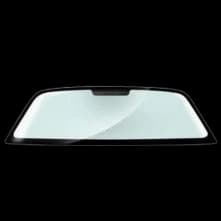
Safety glass for road transport is a specially manufactured material designed to enhance safety and durability in automotive applications. It is commonly used in vehicle windshields, side windows, rear windows, and sunroofs. Made from tempered or laminated glass, this safety glass minimizes the risk of injury during accidents by either breaking into small, harmless fragments or holding together when shattered.
It provides excellent optical clarity, thermal resistance, and sound insulation while also contributing to the structural integrity of vehicles. With its advanced properties, safety glass ensures passenger safety, comfort, and reliability under diverse road and weather conditions.
The Safety Glass (Quality Control) Order, 2020, issued by the Ministry of Commerce and Industry, mandates BIS certification for safety glass used in road transport to comply with the Indian Standard IS 2553 (Part 2):2019. This ensures that the glass meets stringent safety and performance criteria, such as impact resistance, optical clarity, and durability, which are critical for vehicle safety. The certification process involves rigorous testing and quality checks under the Bureau of Indian Standards (BIS). Manufacturers must obtain the ISI Mark before marketing their products in India. Failure to comply with this regulation results in penalties under the Bureau of Indian Standards Act, 2016.
BIS certification ensures that safety glass for road transport adheres to the quality and safety requirements outlined in IS 2553 (Part 2):2019. This certification guarantees that the glass can withstand impacts and environmental stresses while reducing injury risks during accidents. Certified products contribute to road safety by ensuring drivers and passengers are protected from shattered glass hazards. The certification also enhances consumer trust and enables manufacturers to meet regulatory compliance, ensuring market access in India. Non-compliance not only restricts market entry but also invites penalties, as mandated by the Safety Glass (Quality Control) Order, 2020.
IS 2553 (Part 2):2019 specifies the requirements for safety glass used in road transport vehicles. The standard covers two main types: laminated and tempered safety glass. It details performance criteria, including impact resistance, fragmentation patterns, optical properties, and environmental durability. Laminated glass must remain intact upon breakage, ensuring visibility and structural integrity, while tempered glass must shatter into small, blunt fragments to minimize injuries. The standard also includes guidelines for testing methods such as impact and environmental tests to ensure compliance. These stringent requirements make safety glass suitable for automotive applications, ensuring optimal performance and safety in real-world conditions.
The BIS certification process for Safety Glass For Road Transport involves multiple steps, designed to thoroughly evaluate a product's compliance with the required standards. Here is a general overview of the certification process:

Additionally, manufacturers may be required to provide proof of compliance with environmental and safety regulations, depending on the specific type of product being certified.

BIS certification for Safety Glass For Road Transport is essential to ensure adherence to quality and safety standards as per IS 2553 (Part 2):2019. By complying with the mentioned Quality control order, certified products provide reliable performance, enhance consumer safety, and reinforce the credibility of manufacturers in the Indian market.
Navigating the BIS certification process can be challenging, especially for small and medium-sized enterprises. EVTL India is a leading consultancy firm dedicated to assisting manufacturers in obtaining BIS certification (ISI Mark) efficiently. With expertise in managing BIS portal submissions, documentation, and regulatory fees, EVTL India ensures a smooth and successful certification process. By choosing EVTL India, manufacturers can enhance their product's marketability both in India and internationally, securing a competitive edge. Additionally, EVTL India provides ongoing support post-certification, helping manufacturers maintain compliance with BIS standards and renew their licenses as needed.