
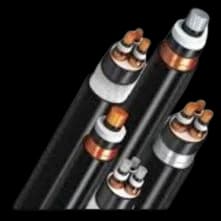
Elastomer Insulated Cables under IS 9968 (Part 2) : 2002 are high-quality power cables designed for use in electrical installations with working voltages ranging from 3.3 kV to 33 kV. These cables are specifically engineered to provide superior insulation, flexibility, and resistance to environmental factors such as temperature, moisture, and chemical exposure.
The elastomer insulation used in these cables is highly durable, ensuring long-term performance and reliability in industrial, commercial, and utility applications. BIS certification ensures these cables meet stringent standards for safety, electrical performance, and mechanical durability.
BIS certification for Elastomer Insulated Cables under IS 9968 (Part 2) : 2002 is a mandatory requirement for cables used in electrical power distribution systems with voltage ratings between 3.3 kV and 33 kV. These cables are critical in various applications, including industrial power lines, substations, and power stations. The certification ensures that the cables meet the required standards for insulation, flexibility, and overall quality, ensuring safe and reliable power transmission and distribution. Adhering to the standards outlined in IS 9968 (Part 2) : 2002 also guarantees that manufacturers comply with safety and regulatory requirements set forth by the Bureau of Indian Standards.
BIS certification for Elastomer Insulated Cables is essential to guarantee that these cables meet safety, performance, and durability standards, ensuring they can withstand the high voltage and demanding conditions typical in industrial and power distribution systems. The elastomer insulation provides high flexibility, allowing for easier handling and installation, while also offering superior resistance to heat, moisture, and other environmental factors. Certification ensures manufacturers are producing cables that are safe, reliable, and compliant with Indian standards, promoting consumer confidence and legal compliance.
Indian Standard IS 9968 (Part 2) : 2002 outlines the specifications for Elastomer Insulated Cables used in systems with working voltages between 3.3 kV and 33 kV. The standard covers key aspects such as material specifications, requiring elastomer insulation and conductor materials to meet high-quality criteria for effective insulation and electrical performance. It mandates that cables be insulated with elastomeric materials that offer flexibility, heat resistance, and protection from environmental influences like moisture and UV radiation. The cables must also possess mechanical strength to withstand installation and operational stresses. Additionally, the cables must meet electrical requirements such as insulation resistance and dielectric strength, ensuring safe power transmission. Fire safety standards are also specified, with cables needing to demonstrate low flammability and resistance to combustion. Compliance with IS 9968 (Part 2) : 2002 ensures that these cables are reliable, durable, and suitable for use in high-voltage power distribution systems.
The BIS certification process for Elastomer Insulated Cables under IS 9968 (Part 2) : 2002 involves several steps, including:
To apply for BIS certification, manufacturers must submit the following documents:
In some cases, additional environmental and safety compliance documents may be required depending on the product.


BIS certification for Elastomer Insulated Cables under IS 9968 (Part 2) : 2002 ensures that these cables meet the required quality, safety, and performance standards. By obtaining BIS certification, manufacturers can demonstrate their commitment to producing reliable and safe products suitable for high voltage electrical applications. Compliance with the BIS standards enhances the credibility of the manufacturer and ensures the safety and reliability of power transmission and distribution systems. EVTL India is a leading consultancy firm specializing in assisting manufacturers with BIS certification. Our services include guidance on the entire certification process, from application submission and documentation to factory inspections and sample testing. With our expertise, manufacturers can efficiently obtain BIS certification, ensuring compliance with IS 9968 (Part 2) : 2002 and gaining a competitive edge in both domestic and international markets.