
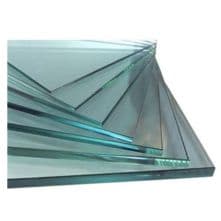
Transparent Float Glass is a high-quality flat glass used in various industries, primarily in construction, automotive, and architecture. This glass is produced using the float glass process, where molten glass is floated on a bed of molten metal to form a flat, smooth surface. Its transparency and optical clarity make it an ideal choice for windows, facades, and other applications requiring clear, strong, and durable glass.
BIS certification under IS 14900:2018 ensures that Transparent Float Glass meets rigorous standards for quality, durability, and performance, offering both safety and reliability for industrial and consumer applications.
BIS certification is mandatory for Transparent Float Glass to ensure it meets the safety and performance requirements set forth under Indian Standard IS 14900:2018. The certification process, governed by the Ministry of Chemicals and Fertilizers through the 2023 Quality Control Order, ensures that manufacturers meet the necessary quality standards for float glass used in construction, automotive, and other applications. Compliance with BIS certification helps manufacturers demonstrate their commitment to providing high-quality, safe, and durable float glass products to the market.
BIS certification for Transparent Float Glass is crucial for ensuring that the product adheres to national quality standards. The glass is widely used in applications where clarity, strength, and durability are paramount. The certification ensures that the glass is free from defects, provides consistent optical quality, and has the necessary resistance to environmental factors. Additionally, certification helps manufacturers demonstrate compliance with Indian regulations, protecting consumers and enhancing trust in the product's reliability. Manufacturers of float glass must meet IS 14900:2018 standards to ensure that their products are safe, durable, and suitable for high-performance uses.
Indian Standard IS 14900:2018 outlines the technical specifications for Transparent Float Glass, covering key aspects such as material properties, performance, and safety. The standard defines optical clarity, thickness, and strength requirements, ensuring the glass is suitable for use in construction, automotive, and glazing. It also sets performance criteria for resistance to thermal and mechanical stress, as well as weathering, to ensure durability and safety over time. Additionally, IS 14900:2018 includes quality control guidelines to prevent defects like bubbles or distortions, and establishes safety standards for handling and installation. Compliance ensures manufacturers deliver reliable, safe float glass to consumers.

The BIS certification process for Transparent Float Glass involves several key steps to ensure the product complies with IS 14900:2018 standards:
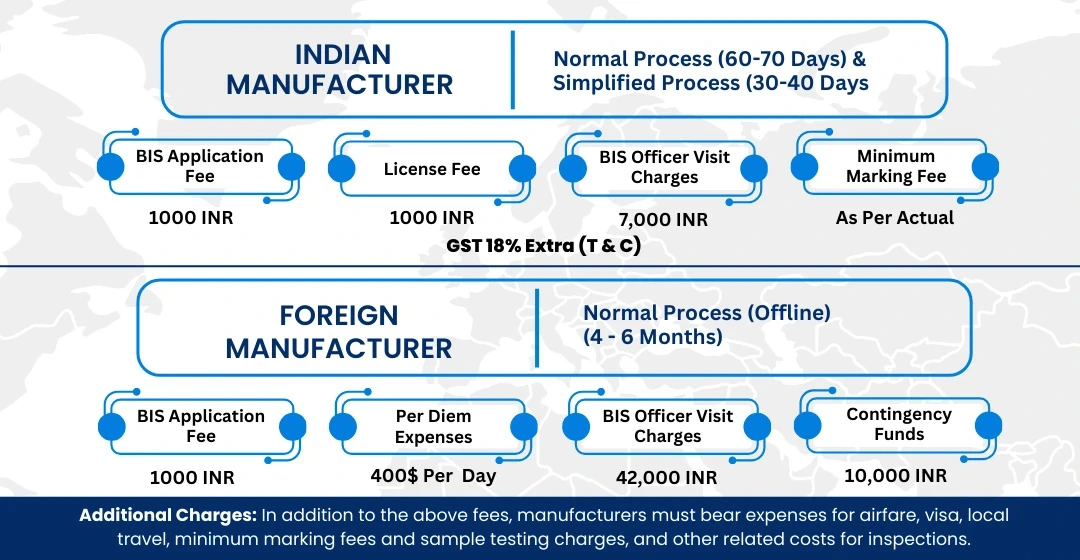
BIS certification for Transparent Float Glass under IS 14900:2018 ensures that the glass meets the necessary standards for safety, durability, and performance. Certification offers manufacturers a competitive edge, enhances consumer trust, and provides assurance that the product adheres to national regulations. The certification process helps streamline the market acceptance of float glass, ensuring it is suitable for a range of applications, including construction and automotive industries. For manufacturers looking to navigate the BIS certification process, EVTL India offers expert consultancy services to help secure certification efficiently. With comprehensive support in documentation, factory inspections, and regulatory compliance, EVTL India simplifies the process, ensuring that manufacturers meet all necessary standards and gain access to domestic and international markets.