
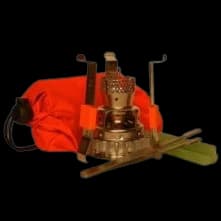
Oil pressure stoves with an offset burner are widely used in areas where gas or electric stoves are not readily accessible. These stoves require compliance with IS 10109 standards to ensure safe and efficient performance. The BIS certification for oil pressure stoves with an offset burner guarantees that these appliances are made from quality materials, function safely under high temperatures, and meet fuel-efficiency standards, making them a reliable option for users.
The Bureau of Indian Standards (BIS) mandates that oil pressure stoves with offset burners comply with IS 10109 to ensure operational safety and efficiency. BIS certification under this standard assesses crucial safety aspects such as burner performance, fuel leakage protection, and pressure control, offering consumers assurance of the product's safety and quality. The ISI mark on these stoves represents adherence to national standards for household appliances, enabling manufacturers to distribute them legally in India.
BIS certification for oil pressure stoves with an offset burner is essential due to the unique safety and operational risks associated with their fuel source and design. These stoves operate under pressurized conditions, making them susceptible to fuel leaks, combustion issues, and pressure malfunctions. Certification under IS 10109 verifies that the stoves have been rigorously tested for safety, efficiency, and durability. For consumers, the ISI mark signifies that the stove has passed stringent quality tests, enhancing user trust and safety.
Indian Standard IS 10109 specifies the safety and performance requirements for oil pressure stoves with an offset burner. It ensures that the stove is made from corrosion-resistant, durable materials capable of withstanding repeated heating and exposure to fuel. The standard focuses on fuel efficiency by regulating consumption rates and minimizing wastage. It mandates pressure regulation mechanisms to control fuel flow and prevent hazardous pressure buildup. Leak-proof fuel tanks and secure connections are required to reduce the risk of oil leaks, while thermal insulation standards are outlined for handles and other parts to minimize burn risks. The standard ensures consistent burner performance with a steady flame, providing reliable cooking results, and mandates clear safety labels and instructions, including proper ignition and maintenance procedures.

The BIS certification process for oil pressure stoves with an offset burner under IS 10109 includes the following steps:
Application Submission: Manufacturers submit an application with the necessary documentation, including technical specifications and safety information.
Document Review: BIS reviews the application documents to ensure compliance with IS 10109 requirements.
Factory Inspection: BIS officials inspect the manufacturing facility to assess production processes, material quality, and safety protocols.
Sample Testing: Product samples are tested in BIS-approved laboratories to confirm compliance with safety and performance standards.
Certification Grant: Once all inspection and testing phases are successfully completed, BIS grants certification, allowing the manufacturer to display the ISI mark on the product.
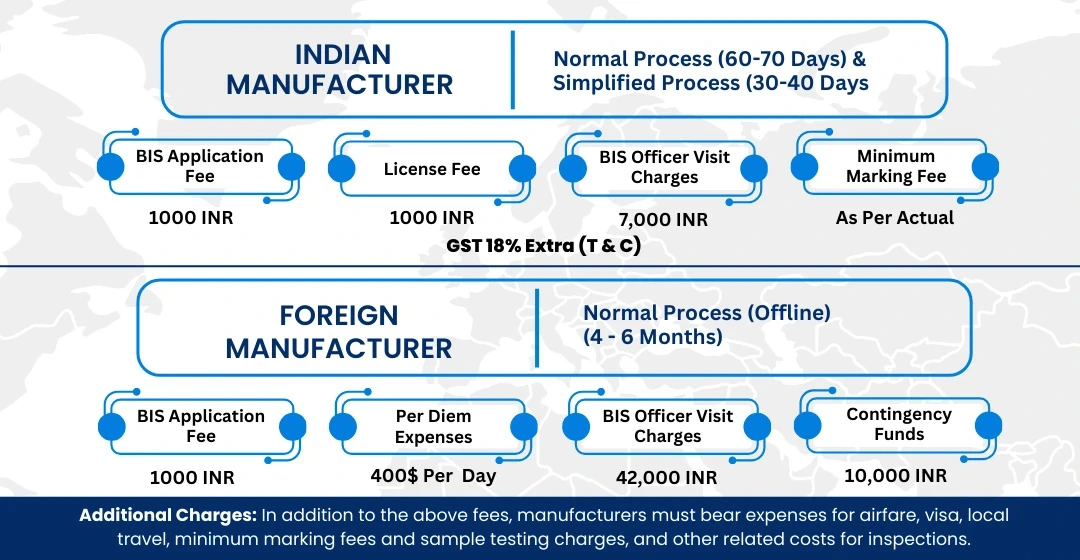
BIS certification for oil pressure stoves with an offset burner under IS 10109 is essential for ensuring safe and efficient performance, helping manufacturers comply with national standards while providing consumers with a reliable cooking appliance. EVTL India offers expert consultancy for the BIS certification process, helping manufacturers achieve certification smoothly and effectively. With EVTL India's support, manufacturers can secure BIS certification and the ISI mark, ensuring market compliance and consumer confidence.