
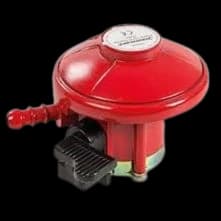
In India, the safe and efficient use of Liquefied Petroleum Gas (LPG) in households relies heavily on a small yet vital component, the low-pressure regulator. Though often overlooked, this device plays a crucial role in ensuring that LPG from domestic cylinders is delivered at a safe, controlled pressure to household appliances like gas stoves and ovens.
Any malfunction in the regulator could pose significant safety risks, such as gas leaks, fires, or even explosions. Recognizing its critical role, the Bureau of Indian Standards (BIS) has mandated compliance with Indian Standard IS 9798:2013 for all low-pressure regulators used with LPG mixtures.
This certification, symbolized by the ISI mark, assures consumers that the product has been rigorously tested and conforms to India's highest safety and quality standards. For manufacturers and importers, obtaining BIS certification under IS 9798:2013 is not just a mark of compliance—it's a prerequisite for legally marketing and distributing these regulators in the country.
A low-pressure regulator is a pressure-reducing device that connects directly to the valve of an LPG cylinder. The gas stored in a domestic cylinder is under high pressure—too high to be safely used by household appliances. The regulator reduces this pressure to a level that is safe and suitable for cooking appliances, typically around 28 to 37 mbar (millibar), depending on the regional standard and appliance requirement.
The regulator also serves as a safety valve, automatically shutting off the gas supply in case of abnormalities like excessive flow due to leakage. In essence, it acts as the first line of defense in preventing LPG-related hazards in domestic environments.
IS 9798:2013, titled Low Pressure Regulators for Use with Liquefied Petroleum Gas (LPG) Mixtures, is the Indian Standard that governs the design, materials, construction, and performance of these regulators. This standard applies to both single-stage and two-stage regulators used in domestic applications.
Key highlights of IS 9798:2013 include:
Manufacturers must ensure that each regulator complies with these stringent norms before applying for BIS certification.
IS 9798:2013 mandates rigorous testing of low-pressure regulators to verify their reliability under various conditions. Some of the key tests include:
Each of these tests is designed to validate the regulator’s ability to perform safely and consistently over its lifecycle.
Obtaining BIS certification for low-pressure regulators involves a comprehensive evaluation of both the product and the manufacturing setup. Here’s how the process generally works:

Additionally, manufacturers may be required to provide proof of compliance with environmental and safety regulations, depending on the specific type of product being certified.

The BIS certification for low-pressure LPG regulators under IS 9798:2013 is a critical component in India’s commitment to gas safety. For consumers, it means peace of mind that their cooking gas system is safe and reliable. For manufacturers, it is both a legal requirement and a powerful endorsement of product quality.
In a country where millions rely on LPG daily, BIS certification of regulators is not just a technical compliance issue—it’s a public safety imperative. Whether you're a domestic manufacturer or an international brand aiming to enter the Indian market, securing the ISI mark under this standard is essential for credibility, safety, and business continuity.