
BIS Scheme X Certification for Switchgear and Controlgear Equipment (≤1000V)
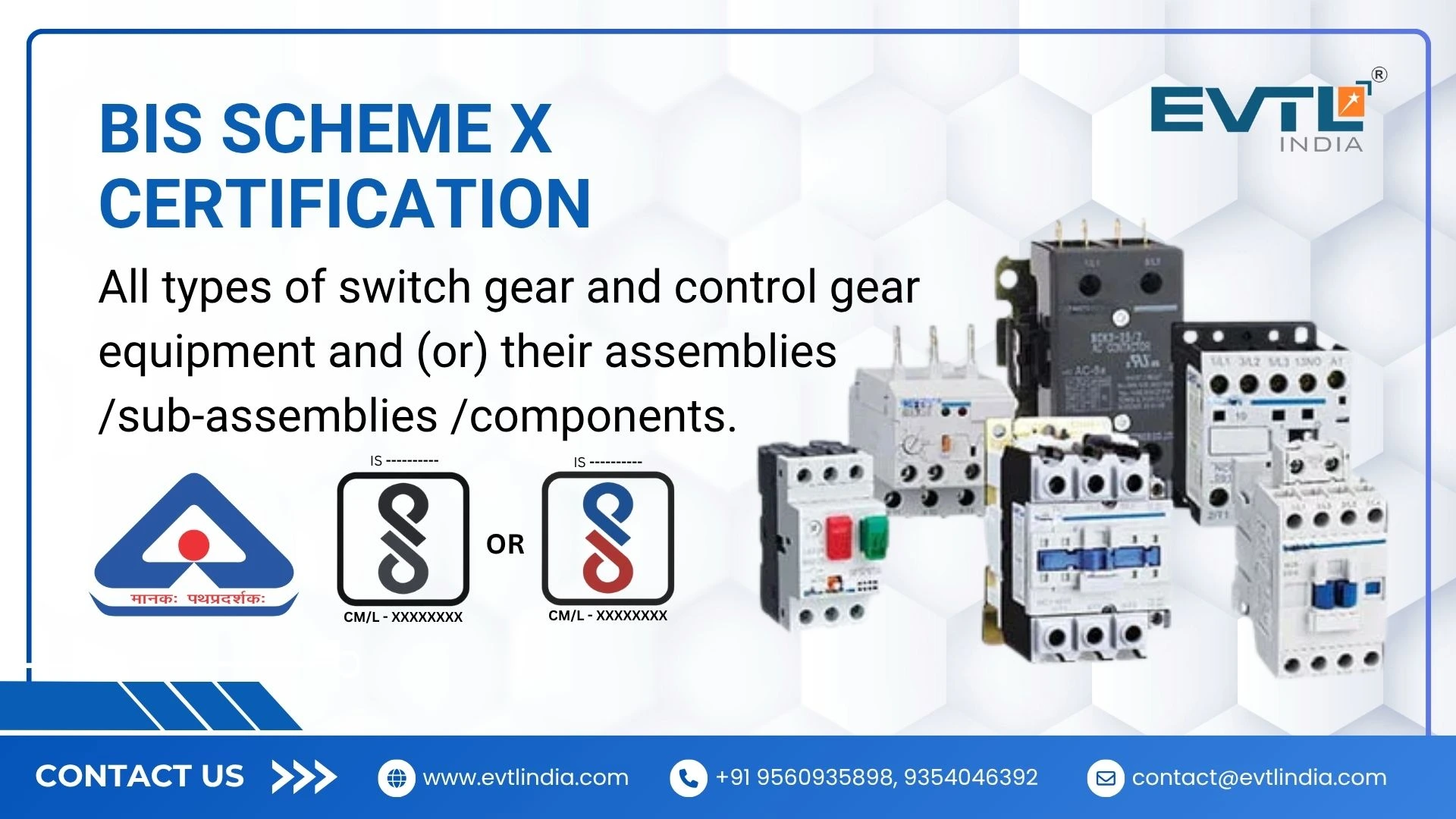
In today's highly electrified and automated world, switchgear and controlgear equipment play a vital role in ensuring electrical safety, power distribution, and operational efficiency across homes, industries, and commercial establishments. Given their critical function in controlling, isolating, and protecting electrical circuits, ensuring the safety and reliability of these devices is paramount. In India, this responsibility now rests significantly with the Bureau of Indian Standards (BIS) through its Scheme X Certification framework.
Let’s explore the essentials of BIS certification for switchgear and controlgear equipment operating at voltages not exceeding 1000V, highlighting regulatory requirements, certification processes, benefits, and the upcoming deadline for mandatory compliance.
What is Switchgear and Controlgear Equipment?
Switchgearrefers to the combination of electrical disconnect switches, fuses, circuit breakers, and other equipment used to control, protect, and isolate electrical circuits. On the other hand,controlgearis designed to manage the operation of electrical devices and circuits such as relays, contactors, and motor starters.
Common examples include:
- Circuit breakers
- Fuse gear
- Disconnectors and isolators
- Contactor assemblies
- Motor protection devices
- Load switches and switch-disconnectors
- Busbar trunking systems
- Panel boards and distribution boards
These devices are used in:
- Residential and commercial electrical panels
- Industrial automation systems
- Infrastructure projects
- Renewable energy installations
- Utility and power distribution systems
Why BIS Certification for Switchgear and Controlgear Equipment?
Considering the widespread use and potential risks associated with malfunctioning or substandard electrical equipment, the BIS certification for switchgear and controlgear equipment is now mandatory. This certification ensures that products are manufactured to meet Indian safety and performance standards and are fit for use in the Indian electrical environment.
Introduction of BIS Scheme X Certification
To enhance conformity, safety, and product reliability across the electrical and machinery sectors, the Bureau of Indian Standards (BIS) launched the Scheme X Certification on 16th March 2022 under the BIS Conformity Assessment Regulations, 2018.
Subsequently, the Ministry of Heavy Industries, through the Omnibus Technical Regulation Order, 2024, made it mandatory for all domestic and international manufacturers to obtain BIS Scheme X certification for switchgear and controlgear equipment by 28th August 2025.
This regulatory step aims to:
- Enforce compliance with Indian Standards
- Eliminate substandard imports and local manufacturing
- Promote safety, energy efficiency, and system reliability
Scope of the Mandatory Certification
This certification coversall types of switchgear and controlgear equipment operating at voltages not exceeding 1000 volts, including their:
- Assemblies
- Sub-assemblies
- Components
This includes:
- MCBs and MCCBs (Miniature and Moulded Case Circuit Breakers)
- RCCBs (Residual Current Circuit Breakers)
- ACBs (Air Circuit Breakers)
- Contactors
- Overload relays
- Starter panels
- Fuse bases and holders
- Busbar chambers
- Industrial control panels
- Enclosed low-voltage switchboards
Evenmodular componentsused in manufacturing these assemblies fall under the compliance radar.
Certification Process for BIS Scheme X
The BIS Scheme X certification for switchgear and controlgear equipment involves the following steps:
1. Classification and Product Identification
Identify whether your equipment falls under the notified category. If it is rated at ≤1000 volts and used in switching/control applications, BIS certification is applicable.
2. Documentation Preparation
Prepare the following documents:
- Product specifications and technical drawings
- Quality assurance and testing procedures
- Electrical ratings and parameters
- BOM (Bill of Materials)
- Manufacturing flow charts
- Component certifications
- User manuals and labeling details
3. Online Application
Submit an application through the officialBIS portal, upload required documents, and pay the applicable processing and license fees.
4. Sample Testing
Send representative product samples to aBIS-recognized laboratoryfor testing in accordance with relevant Indian Standards. Testing includes:
- Dielectric tests
- Temperature rise tests
- Short circuit withstand capability
- Mechanical endurance tests
- Verification of protective measures (e.g., IP ratings)
5. Factory Inspection
A BIS-appointed audit team inspects the manufacturing site to assess:
- Process control mechanisms
- Test equipment calibration
- Personnel competence
- Product traceability
- Batch-wise testing records
- Internal quality checks
6. Grant of Certification
Once testing and inspection are successful, BIS issues a license, allowing the manufacturer to affix theStandard Markon their certified products.
Deadline and Compliance Timeline
- Certification Mandatory From: 28th August 2025
- Recommended Start: Immediately (certification may take 4–6 months)
- Applicable To: All domestic and foreign manufacturers supplying to the Indian markets
Benefits of BIS Certification for Manufacturers and Consumers
Benefit | Description |
Legal Compliance | Avoids regulatory penalties or product recalls post-August 2025 |
Product Reliability | Ensures that switchgear performs optimally under varying load and environmental conditions |
Consumer Trust | Builds confidence among end-users, project engineers, and system integrators |
Market Access | Mandatory for government procurement, infrastructure tenders, and large-scale private projects |
Brand Advantage | Sets certified brands apart in a competitive market |
What Happens If You Don’t Comply?
After28th August 2025,non-certified switchgear and controlgear productswill not be legally sellable in India. Non-compliance can result in:
- Seizure of goods
- Legal action under the BIS Act, 2016
- Import/export restrictions
- Loss of market reputation
- Disqualification from government and large industrial tenders
Conclusion
With BIS Scheme X certification for switchgear and controlgear equipment becoming a mandatory requirement, manufacturers can no longer afford to delay. The certification ensures not only legal compliance but also unlocks credibility, brand value, and access to premium market segments.
Given the technical nature and lead time involved in product testing, documentation, and audits, manufacturers are strongly advised to initiate the process as early as possible. Looking to get BIS certification for switchgear and controlgear equipment? Partner with EVTL India, an expert consultant, to streamline the journey and meet the 28th August 2025 deadline with confidence.