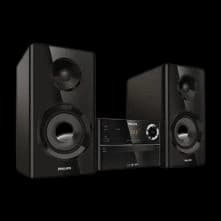
BIS CRS Registration for Electronic Musical Systems with Input Power Below 200 Watts IS 616: 2017
Electronic musical systems with input power 200W and above under IS 616:2017 are categorized as regulated audio equipment that must comply with mandatory safety and performance standards before being marketed in India. These high-powered systems, commonly used in concerts, studios, public address setups, and commercial entertainment environments, are designed to deliver amplified sound output with precision and clarity. Given their substantial power consumption and complex circuitry, ensuring electrical safety, thermal management, and operational stability is essential.
The Bureau of Indian Standards (BIS), under the Compulsory Registration Scheme (CRS), mandates certification for electronic musical systems to mitigate risks such as electric shock, overheating, and fire hazards. Compliance with IS 616:2017 ensures that products meet prescribed safety and quality benchmarks, enabling lawful market access while enhancing consumer confidence.
Who Needs BIS Certification under IS 616:2017
BIS certification under IS 616:2017 is mandatory for entities involved in the manufacturing, importing, or sale of electronic musical systems in India. Compliance under the CRS scheme is required before these products can be legally introduced into the market.
Applicable to:
Manufacturers – Both domestic and foreign manufacturers must obtain BIS certification before distribution.
Importers – Importers must ensure products are BIS-certified prior to entry into India.
Brand Owners – Companies selling under their own brand must ensure compliance, even if production is outsourced.
Indian Standard IS 616:2017
IS 616:2017 is an Indian Standard issued by the Bureau of Indian Standards (BIS) that specifies the safety requirements for audio, video, and similar electronic apparatus. This standard ensures that electronic devices used for sound and visual applications comply with essential electrical safety and quality requirements before being sold in the Indian market and obtaining BIS Certification for Electronic Musical Systems.
Under the BIS Compulsory Registration Scheme (CRS), several electronic products such as electronic musical systems, audio amplifiers, multimedia speakers, and other audio-visual equipment must comply with this standard. Compliance with IS 616:2017 helps ensure product safety, protects users from electrical hazards such as electric shock, overheating, and fire risks, and allows manufacturers and importers to legally market their products in India after obtaining a BIS License for Electronic Musical Systems.
Basic Requirements
There are four key factors on which a BIS Licence is based. Without fulfilling these requirements, an applicant cannot apply for BIS Certification/Registration in India. To obtain BIS registration, the following conditions must be met:
Manufacturer: The BIS licence is issued only to the manufacturer, not to traders, importers, or distributors. However, in the case of foreign manufacturers, an Authorized Indian Representative (AIR) can submit the application on their behalf. The final licence is always granted in the name of the manufacturer.
Manufacturing Location:The exact manufacturing address must be clearly mentioned in the application and supporting documents. If a manufacturer operates multiple production units for the same product, a separate BIS licence is required for each manufacturing location.
Product:BIS registration is granted product-wise. Each product category requires a separate licence. However, if a product has multiple models under the same category, one licence can cover all those models .
Brand or Trademark: Every brand name or trademark must have its own BIS licence. If the same product is sold under different brands, separate licences are required for each brand or trademark.
Importance of BIS Registration for Electronic Musical Systems
Obtaining BIS Registration for Electronic Musical Systems is not only a regulatory requirement but also a strategic advantage for manufacturers and importers. Here’s why:
Ensures Electrical Safety:Electronic musical systems operate using various electrical components and sound amplification technologies. BIS CRS registration under IS 616:2017 ensures that these devices meet strict safety requirements, reducing risks such as electric shock, overheating, and electrical faults.
Guarantees Performance and Reliability:Electronic musical systems are widely used in studios, events, educational institutions, and entertainment environments. BIS registration ensures that the equipment complies with established safety and performance standards, helping manufacturers deliver reliable and high-quality products.
Enhances Consumer Trust:A BIS-registered electronic musical system assures users that the device meets recognized Indian safety and quality standards. This increases consumer confidence and supports the credibility of manufacturers and importers in the market.
Simplifies Market Access:Manufacturers and importers cannot legally manufacture, import, or sell electronic musical systems in India without BIS registration under IS 616:2017. Registration ensures compliance with national regulations, enabling smooth entry into the Indian market and improving business competitiveness.
Tests Performed
Before obtaining BIS registration for Electronic Musical Systems the products undergo rigorous testing in BIS-recognized laboratories. The key tests include:
Electrical Safety Tests
Evaluates insulation resistance and protection against electric shocks.
Protection of Equipment Users
It refers to safety measures and standards designed to protect people from potential hazards while using electrical, electronic, or mechanical equipment, ensuring the products are safe and reliable for use
Data Protection Testing
Verifies the effectiveness of encryption and recovery mechanisms.
Environmental Testing
Tests the device’s durability under different temperature and humidity conditions.
BIS Registration Process for Electronic Musical Systems :
For Foreign Manufacturers
For Domestic Manufacturers
Nominate an Indian Representative: A foreign manufacturer must appoint an Indian representative with a valid business presence in India to handle the registration process for CRS registration.
Submit Online Application: Domestic manufacturers directly apply on the BIS portal to begin the registration process.
Online Application Submission: The representative submits an application via the BIS portal, ensuring all details are accurate.
Sample Testing: Like foreign manufacturers, samples are tested at a BIS-recognized lab.
Sample Testing: samples are tested in a BIS-approved laboratory for compliance with IS 616: 2017
Submit Application: A complete application, including test reports, is submitted to the BIS.
Submit Complete Application: The application, along with test reports and required documents, is submitted online or in hard copy.
BIS Verification: The BIS reviews technical and KYC documents.
BIS Verification: The BIS reviews technical and KYC documents.
License Grant: After successful verification, the BIS issues a license for using the BIS CRS mark.
Grant of License: Upon successful verification, the BIS grants a license, allowing the use of the BIS CRS mark.
Documents Required for BIS CRS Registration
General Documents:
BIS application form.
GST Certificate
MSME certificate
Authorized person Aadhaar
Company PAN Card
Contact Details
Trademark Certificate (Class 9,11)
Additional Documents for Foreign Manufacturers:
AIR (All India Representative) Details
Trademark Certificate (Class 9,11)
Application form 1.
Authorized representative's photo ID.
Business license (original + English translation).
Technical Documents:
CCL (Critical Component List)
CDF Form
Product Marking Plate
Product Manual
Product Diagram
Consequences of Non-Compliance
Failure to comply with BIS regulations may result in:
Confiscation of non-certified power banks
Heavy penalties and fines
Suspension or cancellation of registration
Legal action under the BIS Act
Restriction on import or sale in India
Non-compliance can significantly impact market access and brand reputation.
Timeline and Validity of BIS CRS Registration
Timeline:The timeline for obtaining BIS registration under the Compulsory Registration Scheme (CRS) generally ranges from 20 to 30 working days, depending on factors such as product testing, documentation accuracy, and application verification. The process begins with testing the product in a BIS-recognized laboratory, followed by online application submission, document verification, and approval from BIS authorities.
Domestic Manufacturers
Foreign Manufacturers
30 Days
45 Days
Validity:The BIS CRS registration certificate is typically valid for 2 years. After this period, manufacturers or importers must apply for renewal of the BIS license to continue manufacturing, importing, or selling the product in the Indian market. Renewal can be granted for up to 5 years, provided the product continues to comply with the applicable BIS standards and regulatory requirements.
Conclusion
Compliance with IS 616:2017 is crucial for businesses involved in electronic musical systems in India. BIS CRS registration ensures adherence to essential safety standards, reducing risks like electric shock, overheating, and component failure while improving product reliability. In a competitive and regulated market, certification not only fulfills legal requirements but also strengthens brand credibility and consumer trust.
EVTL India is one of the leading BIS consultants in India, helping manufacturers obtain their BIS licences hassle-free. With expert guidance, businesses can streamline certification processes, ensure accurate compliance, and achieve faster approvals, enabling smooth and efficient market entry.
End-to-End Assistance from EVTL India
From legal compliance and product testing to training, research, product development, and complete conformity assessment, EVTL India provides a single-window solution for all product certification needs. We are among the leading BIS CRS registration consultants, offering both mandatory and voluntary certification consultancy services to manufacturers and importers across India and globally.
Complete paperwork, testing, and guidance related to BIS registration.
Creation of samples in accordance with requirements for 100% sample conformity in the testing facility.
Liaison with the Bureau, which includes detailed application preparation, submission, and response to occasional queries with clarifications.
Informing businesses about changes in rules, standards, and regulations
Representing companies before government authorities when needed.
Giving guidance for product registration under the Bureau of Indian Standards (BIS), including the Compulsory Registration Scheme (CRS).
FAQs
1. Is BIS certification required for electronic musical systems? Yes, BIS CRS registration is mandatory before selling or importing these products in India.
2. Which standard applies to electronic musical systems? IS 616:2017 defines the safety requirements for such equipment.
3. Who can apply for BIS registration? Only manufacturers can apply; foreign manufacturers must appoint an AIR.
4. What risks are covered under IS 616:2017? It addresses electric shock, overheating, insulation failure, and fire hazards.
5. How long does the registration process take? Generally, it takes 20–30 working days, depending on documentation and testing.
6. What is the validity of BIS certification? The certificate is valid for 2 years and can be renewed thereafter.