BIS Certification for Rotary Electrical Machines, such as Generators, etc
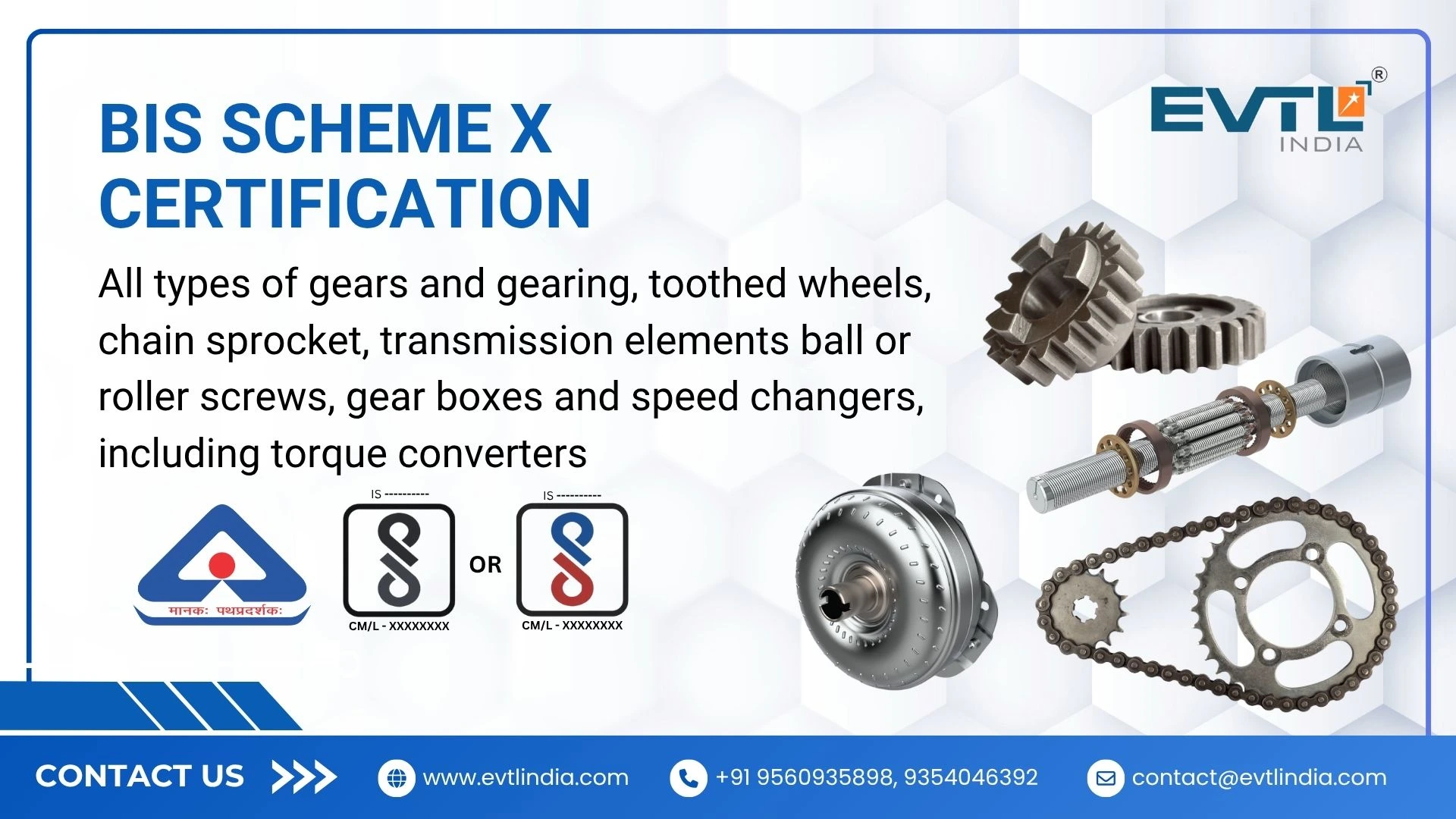
Rotary electrical machines like generators, motors, and alternators form the backbone of industrial operations, power generation, and critical infrastructure worldwide. These machines convert mechanical energy to electrical energy (or vice versa) and are vital across sectors like power plants, transportation, manufacturing, and commercial buildings. Given their importance, safety, reliability, and quality are paramount. In India, the Bureau of Indian Standards (BIS) has addressed this need through the Scheme X Certification, specifically for machinery and electrical equipment, including rotary electrical machines and their assemblies or components.
Introduction to BIS Scheme X Certification
In a major regulatory move, the Bureau of Indian Standards (BIS) introduced Scheme X Certification on 16th March 2022 under the BIS Conformity Assessment Regulations, 2018. This scheme is designed to ensure the quality, safety, and conformity of electrical and mechanical equipment sold in India. Further solidifying its mandate, the Ministry of Heavy Industries issued the Omnibus Technical Regulation Order, 2024, requiring that all manufacturers (domestic and international) producing rotary electrical machines and similar equipment must comply with Scheme X Certification by 28th August 2025.
This regulatory framework covers all types of rotary electrical machines, such as generators, alternators, synchronous and asynchronous motors, and their respective assemblies, subassemblies, and components.
What Are Rotary Electrical Machines?
Rotary electrical machines are devices that operate on the principle of electromagnetic induction. They are primarily classified into two categories:
Electric Generators :Convert mechanical energy into electrical energy, essential for power generation.
Electric Motors :Convert electrical energy into mechanical energy to power various machinery and equipment.
Other variants include:
- Synchronous and Asynchronous (Induction) Motors
- Alternators
- Turbo-generators
- Motor-generator sets
These machines are used across:
- Power generation stations
- Industrial automation
- Electric vehicles
- Elevators and pumps
- HVAC systems
Why BIS Certification is Necessary for Rotary Electrical Machines
- Ensures Product Safety :Rotary electrical machines carry high operational loads and electrical currents. Non-conforming products may lead to overheating, electrical fires, or mechanical failure. BIS certification ensures adherence to safety norms.
- Promotes Quality and Performance :Products tested and certified by BIS demonstrate consistent quality and meet specified performance benchmarks, crucial in mission-critical applications.
- Legal Compliance :After28th August 2025, onlyBIS-certified rotary electrical machinesand components will be permitted for sale, manufacturing, and import in India.
- Global Market Acceptance :BIS certification boosts brand credibility and opens up export opportunities by demonstrating conformity with India's regulatory standards.
Products Covered Under BIS Scheme X for Rotary Machines
- Electric generators (AC and DC)
- Motors (synchronous, induction, DC motors)
- Alternators
- Motor-generators
- Gear-driven motors and components
- Rotor-stator assemblies
- Armatures and field coils
- Control panels and integrated assemblies
The certification applies not just to complete machines but also to their assemblies, subassemblies, and standalone components, ensuring holistic regulation.
BIS Scheme X Certification Process for Rotary Electrical Machines
- Determine Applicability :Confirm whether your product falls under Scheme X. For rotary electrical machines, this is mandatory if the product is to be sold in the Indian market post-August 2025.
- Submit Application to BIS :Manufacturers (or their authorized Indian representatives) must apply with detailed technical documents, manufacturing process flow, quality control plans, and sample details.
- Product Testing :Samples of the rotary machines or their components are tested inBIS-recognized laboratoriesagainst applicableIndian Standards (IS).
- Factory Inspection :BIS officials conduct a comprehensive factory assessment to inspect production facilities, quality assurance processes, and safety protocols.
- Grant of Certification :If the testing and inspection meet BIS criteria, the manufacturer is issued theScheme X Certificationand authorized to use theBIS Standard Markon the product.
- Surveillance and Renewal :The BIS certification is valid for a specific period, after which it must be renewed. BIS also conducts periodic surveillance audits to ensure continued compliance.
Key Requirements for Manufacturers
- Quality Management System (QMS): A robust QMS must be in place to monitor and maintain product consistency.
- Traceability: Clear identification of batch numbers, product types, and material sources is essential.
- Documentation: Product drawings, material specifications, testing reports, and calibration records must be maintained and made available during inspections.
- Indian Authorized Representative (IAR): For foreign manufacturers, having an IAR is mandatory for correspondence with BIS and regulatory authorities.
Deadline for Compliance
28th August 2025is the final deadline for mandatory compliance with BIS Scheme X Certification for all types of rotary electrical machines and their components. Post this date:
- Uncertified products cannot be manufactured, sold, or imported in India.
- Regulatory actions, including product recalls, penalties, and legal liabilities, may apply for violations.
Conclusion
The BIS Scheme X Certification for rotary electrical machines is a pivotal regulatory move aimed at standardizing and safeguarding the quality and safety of essential industrial equipment. Whether it’s a generator powering an entire factory or a motor driving automation in a smart building, ensuring compliance with BIS standards is no longer optional—it’s a legal and strategic necessity.
Manufacturers must proactively align their products and processes with Scheme X guidelines to not only stay compliant but also gain a competitive edge in the market. The upcoming deadline of28th August 2025offers a critical window to act. Embrace compliance, enhance your product value, and contribute to building a safer and more reliable industrial ecosystem in India.
If you're a manufacturer or importer of rotary electrical machines, reach out to EVTL India, an experienced BIS consultant, to simplify your journey towards compliance.