
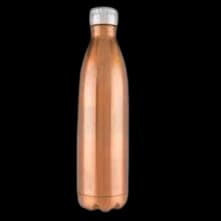
Potable water bottles made of copper, stainless steel, and aluminum are designed to offer a safe, durable, and eco-friendly solution for storing and carrying drinking water. These bottles are crafted to ensure long-lasting performance and are free from harmful chemicals, making them a healthier alternative to plastic bottles.
Known for their lightweight and corrosion-resistant properties, these bottles maintain the purity and freshness of water, even during extended use. Copper bottles are celebrated for their antimicrobial benefits, stainless steel bottles for their robustness, and aluminum bottles for their portability, catering to diverse consumer preferences and lifestyles.
A Portable Water Bottle serves as a reusable container which people use to store and carry water. People use these metallic bottles mostly in offices, educational institutions, homes and even during their travels. These water bottles are manufactured using stainless steel, copper and aluminium. BIS certification for the portable bottles ensures that the product meets the requirements as per IS 17803:2022 set by the Bureau of Indian Standards. This certification ensures that the bottles are safe for drinking water and free from harmful materials. A certified bottle is less likely to pose the risk of chemical leaching. Further, the BIS Certification helps build customers' trust by confirming that the bottles meet the quality standards..
BIS certification is essential for potable water bottles to guarantee that they meet the stringent safety and quality benchmarks outlined in IS 17803: 2022. These bottles come into direct contact with drinking water, and any compromise in material safety could pose health risks. Certification ensures that copper, stainless steel, and aluminum bottles are manufactured using safe materials and comply with hygienic practices, offering consumers reliable products for everyday use. Adherence to the Potable Water Bottles (Quality Control) Order, 2023, which includes potable water bottles, builds consumer trust by preventing the circulation of substandard products. Manufacturers who fail to obtain BIS certification are liable for penalties under the Bureau of Indian Standards Act, 2016, emphasizing the need for compliance in ensuring public health and safety.
This is the Indian Standard for portable water bottles (metallic), which are used to store and carry safe drinking water. The standard includes various tests to maintain the consistent quality of the bottles. This standard is set by the BIS (Bureau of Indian Standards) to ensure that product quality and safety are met, and the portable bottles are
BIS certification under IS 17803:2022 is required for businesses involved in manufacturing, importing, or supplying portable water bottles in India.
Applicable to:
 The BIS
certification process for Potable Water Bottles involves multiple steps,
designed to thoroughly evaluate a product's compliance with the required standards.
Here is a general overview of the certification process:
The BIS
certification process for Potable Water Bottles involves multiple steps,
designed to thoroughly evaluate a product's compliance with the required standards.
Here is a general overview of the certification process:
Foreign manufacturers must additionally appoint an Authorized Indian Representative (AIR) to coordinate with the Bureau of Indian Standards (BIS) and manage compliance requirements in India.
When a manufacturer obtains the BIS license, the ISI mark for hair clippers and trimmers must be applied clearly and permanently on the product or its packaging. In addition to the ISI Mark, other important details must also be provided on the product or packaging, as specified in the table below. This ensures the product meets all quality and safety standards.
Note:
Marking is typically applied using durable stamping, tagging, or permanent printing to ensure clear identification during handling, storage, and transportation, as per BIS marking requirements.
After obtaining BIS certification for the product, the license is valid for a fixed period and must be maintained by following BIS rules and standards.
>
The cost of BIS certification includes charges for application, inspection, license, testing, and marking. These fees are paid to BIS as per Scheme I guidelines.
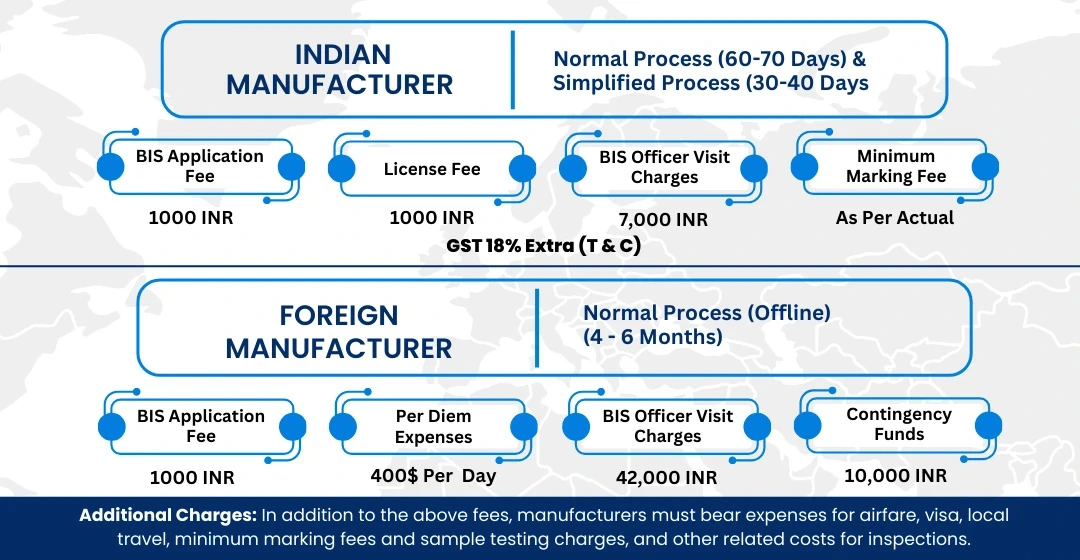
Indian Manufacturers
Foreign Manufacturers
Note: Additional costs such as pre-testing or factory pre-inspection may apply. The total cost may vary depending on product type, testing requirements, and current BIS guidelines.
The The BIS certification process for portable water bottles, which follows IS 17803: 2022 standards, confirms that the product has achieved the necessary safety and quality requirements for dependable operation. This certification reduces the risk of harmful contaminants or chemical leaching. Further, a certified product ensures regulatory compliance and helps manufacturers avoid penalties. Getting consulting services can help the manufacturer ease the certification process. EVTL India offers help to companies with their documentation process, testing support and inspection preparation, which streamlines the certification process.
