
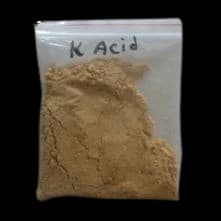
K Acid, formally known as 2-Naphthylamine-3,6,8-trisulfonic acid, is an organic compound with the chemical formula C₁₀H₁₀N₂O₆S₃. This substance is a critical intermediate in the dye industry, utilized for the synthesis of azo dyes and pigments. Its unique structure allows for the formation of strong bonds with dye molecules, contributing to the creation of vibrant, colorfast, and durable hues.
K Acid’s properties make it a favored choice in the production of high-quality dyes for textiles, leather, and paper, playing a pivotal role in various dyeing applications.
The K Acid Amendment Order, 2025, issued by the Ministry of Chemicals and Fertilizers (Department of Chemicals and Petrochemicals), mandates that manufacturers obtain BIS certification for K Acid. This requirement is in accordance with Indian Standard IS 11557:1986, which defines the quality and safety parameters for K Acid. BIS certification, symbolized by the ISI Mark, ensures that the product adheres to established standards, promoting consistent quality in dye production. Compliance with these standards is essential for manufacturers to market K Acid legally in India, supporting the industry's demand for reliable chemical intermediates.
BIS certification is crucial for K Acid to maintain uniform quality and safety across the dye manufacturing industry. Adhering to the guidelines of Indian Standard IS 11557:1986 helps ensure that K Acid meets stringent quality criteria, reducing the risk of impurities that could compromise dye stability and colorfastness. The certification promotes consumer safety, quality assurance, and regulatory compliance, thereby safeguarding end-users and manufacturers alike. As mandated by the K Acid Amendment Order, 2025, obtaining BIS certification is essential for legal manufacturing and sale, encouraging high standards within the chemical industry.
Indian Standard IS 11557:1986 specifies the quality requirements for K Acid, detailing the necessary chemical composition, purity levels, and acceptable physical properties. The standard outlines test methods to evaluate the purity, solubility, and stability of K Acid under various conditions, ensuring it is suitable for use in dye production. Compliance with IS 11557:1986 is mandatory for manufacturers to receive BIS certification, confirming that the product meets the necessary safety and performance benchmarks. Non-adherence to these guidelines can result in penalties under the Bureau of Indian Standards Act, 2016, highlighting the importance of strict quality control in the industry.
The BIS certification process for K Acid involves multiple steps, designed to thoroughly evaluate a product's compliance with the required standards. Here is a general overview of the certification process:
1.Application Submission: Manufacturers must submit an application form along with required documentation to BIS.

Additionally, manufacturers may be required to provide proof of compliance with environmental and safety regulations, depending on the specific type of product being certified.
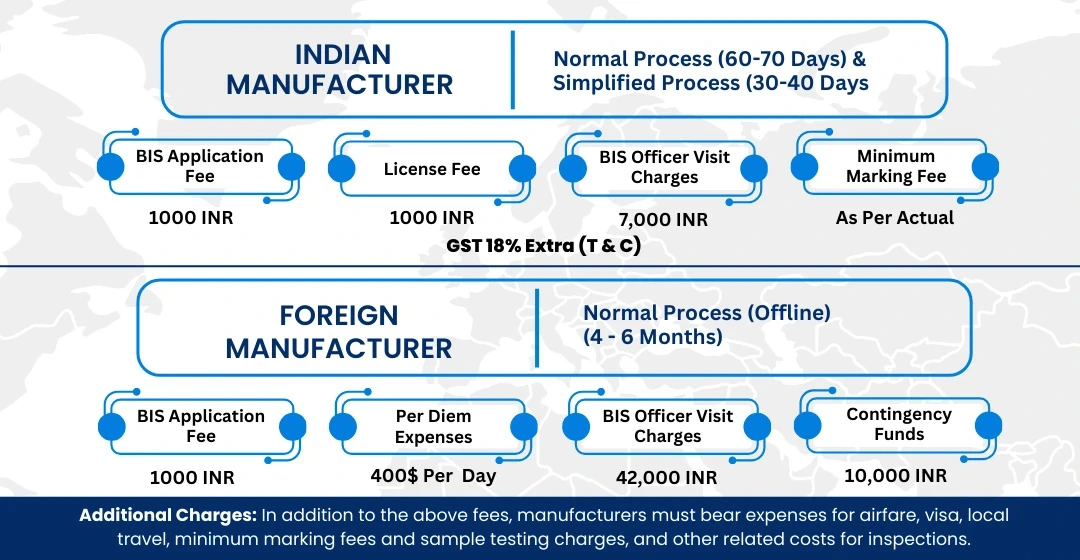
BIS certification for K Acid is essential to ensure adherence to quality and safety standards as per IS 11557:1986. By complying with the mentioned Quality control order, certified products provide reliable performance, enhance consumer safety, and reinforce the credibility of manufacturers in the Indian market.
Navigating the BIS certification process can be challenging, especially for small and medium-sized enterprises. EVTL India is a leading consultancy firm dedicated to assisting manufacturers in obtaining BIS certification (ISI Mark) efficiently. With expertise in managing BIS portal submissions, documentation, and regulatory fees, EVTL India ensures a smooth and successful certification process. By choosing EVTL India, manufacturers can enhance their product's marketability both in India and internationally, securing a competitive edge. Additionally, EVTL India provides ongoing support post-certification, helping manufacturers maintain compliance with BIS standards and renew their licenses as needed.