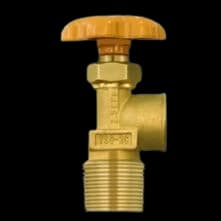
BIS certification for Valve fittings for
Self-Contained Breathing Apparatus (SCBA) and Self-Contained Underwater
Breathing Apparatus (SCUBA) is are crucial component ensuring safe and reliable
breathing gas delivery. These fittings must be robust, high-pressure capable,
and resistant to corrosion, wear, and damage. In India, compliance with IS
7302:2018 and BIS ISI certification is mandatory for these fittings. This
standard outlines the requirements and testing procedures for valve fittings
used in SCBA and SCUBA systems to ensure reliability, durability, and safety
under extreme conditions.
overview of indian standard 7302:2018
IS 7302:2018, titled “Valves for Self-Contained Breathing
Apparatus and Self-Contained Underwater Breathing Apparatus – Specification”,
provides comprehensive guidelines covering:
●Design and construction requirements
●Material specifications (including
corrosion resistance and strength)
●Thread types (including taper and
parallel threads)
●Performance under simulated real-world conditions
●Compatibility with breathing gas mixtures (air, oxygen, oxygen/nitrogen)
The standard applies to valve fittings
intended for breathable gases and ensures that the valves meet the stringent
requirements needed for critical-use applications. Whether used on land in
hazardous environments or underwater during dives, these valves must perform
without fail.
mandatory bis certification
As per the Quality Control Orders (QCOs) issued by the Indian government,
manufacturers of valve fittings for SCBA and SCUBA must obtain BIS ISI certification under IS
7302:2018 to legally sell or distribute these components in India.
This certification ensures:
●Regulatory compliance
●Assurance of safety and performance
●Eligibility for tenders and supply contracts
●Market credibility and customer trust
For importers and OEMs, sourcing
BIS-certified valve fittings is not only mandatory but also a critical risk
mitigation step.
key requirements and features of is 7302:2018
The standard lays out specific
requirements for the mechanical design,
material quality, and safety features of valve fittings. This
includes:
●Material selection: Typically high-grade
metals such as brass, stainless steel, or aluminum alloys that meet defined
chemical compositions and mechanical properties.
●Protective finishes: To resist corrosion
in chemically aggressive or humid environments.
●Thread types and sealing: Ensures secure
fitting between the cylinder and breathing device without leaks.
●Safety devices: May include pressure
relief features or mechanisms to prevent accidental opening.
Every design element is evaluated for
functionality under various scenarios, ensuring that the final product is
robust enough for emergency use.
tests conducted for bis certification
To comply with IS 7302:2018,
manufacturers must subject valve fittings to a comprehensive suite of
mechanical, chemical, and performance tests. These include:
●Chemical Composition Test: Verifies the
material makeup of the valve body to ensure durability and corrosion
resistance.
●Tensile Strength and Elongation Tests:
Ensures the metal can withstand high pressure without deformation.
●Impact Strength Test: Evaluates
resistance to mechanical shocks, simulating drops or collisions during use.
●Valve Burst Pressure Test: Assesses the
maximum pressure the valve can handle before failure.
●Valving Torque Test: Measures the amount
of torque required to open and close the valve, ensuring usability in
emergencies.
●Leak Tightness Test: Ensures zero gas
leakage under pressure.
●Endurance Test: Verifies performance
over extended cycles of opening and closing.
●Flame Impingement Test: Ensures the
valve can withstand exposure to flame in fire rescue environments.
●Environmental Stress and Finish Tests:
Evaluates corrosion resistance, protective coatings, and performance under
adverse environmental conditions.
All tests are carried out under controlled laboratory conditions at BIS-recognized testing facilities.
process for bis certification
To obtain BIS certification for
SCBA/SCUBA valve fittings:
- Application Submission: Manufacturers submit detailed specifications and safety
information for the valve fittings.
- Document Review: BIS
assesses the documentation to verify adherence to IS 7302 standards.
- Factory Inspection:
BIS conducts an on-site inspection to review production and quality
control processes.
- Sample Testing:
Samples are tested in BIS-recognized labs to ensure they meet the
requirements of IS 7302 for performance and safety.
- Certification Approval: Upon successful inspection and testing, BIS grants
certification, allowing the use of the ISI mark on the fittings.

document required for bis certification
| to APPLY FOR BIS CERTIFICATION, MANUFACTURERS NEED TO SUBMIT THE FOLLOWING DOCUMENTS:- |
| Application Form |
| Manufacturing Process Details |
| Quality Control Plan |
| Test Report From BIS- approval laboratories |
| Factory layout and equipment details |
| Proof of business registration |
| Product specifications and technical details |
| Declaration of conformity to indian standards |
Additionally, manufacturers may be required to provide proof of compliance with environmental and safety regulations, depending on the specific type of product being certified
bis isi Mark Certification Costing and timeline

Under BIS Registration Products ISI & CRS
Conclusion
The safety, performance, and
dependability of valve fittings in SCBA and SCUBA systems are non-negotiable.
With IS 7302:2018, the Bureau of Indian Standards ensures that every certified
valve fitting meets strict engineering and safety criteria. For manufacturers,
achieving BIS certification is not just a regulatory requirement—it’s a commitment
to saving lives through dependable engineering.
If you are a manufacturer, importer,
or distributor of SCBA/SCUBA valve fittings in India, BIS certification under
IS 7302:2018 is essential to your product’s legality and marketability.