
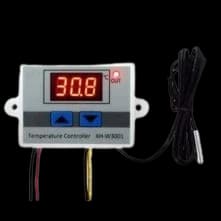
In an age where automation and precision play a crucial role in household appliances and industrial systems, temperature sensing controls have become fundamental components. Whether in HVAC systems, water heaters, washing machines, or refrigeration units, these controls regulate temperature with high accuracy and safety.
Given their importance and wide application in everyday appliances, it is vital that these controls meet stringent safety and performance standards. In India, such controls are regulated under the IS/IEC 60730-2-9:2011 standard, and BIS certification is required to ensure their compliance.
IS/IEC 60730-2-9:2011 is a specific section of the broader IEC 60730 standard, which deals with automatic electrical controls for household and similar use. Part 2-9 focuses specifically on temperature sensing controls, outlining essential performance and safety criteria that these devices must fulfill.
The scope of this standard includes controls that respond to temperature changes, typically used to monitor and regulate heating, cooling, or combined systems. Devices like thermostats, thermistors, and integrated temperature sensors fall under this category. These may be stand-alone or embedded into larger systems and are often used in appliances for both residential and similar non-industrial applications.
Since these controls directly impact the functioning and safety of essential equipment, any failure can result in overheating, short circuits, fire hazards, or system malfunctions. BIS certification acts as a mandatory compliance mechanism that ensures only products meeting Indian safety benchmarks are allowed in the market.
For manufacturers and importers, obtaining BIS certification:
To qualify for BIS certification, temperature sensing controls must pass a series of tests defined in the standard. These tests are designed to evaluate the device's structural integrity, electrical safety, environmental resilience, and long-term reliability.
Some of the essential tests include:
These tests are conducted either at BIS-approved laboratories or within compliant factory environments and are a core part of the certification process.

Though BIS certification is a technical process, the core steps remain structured and straightforward:
To apply for BIS certification, manufacturers need to submit the following documents:
●Application form
Additionally, manufacturers may be required to provide proof of compliance with environmental and safety regulations, depending on the specific type of product being certified.
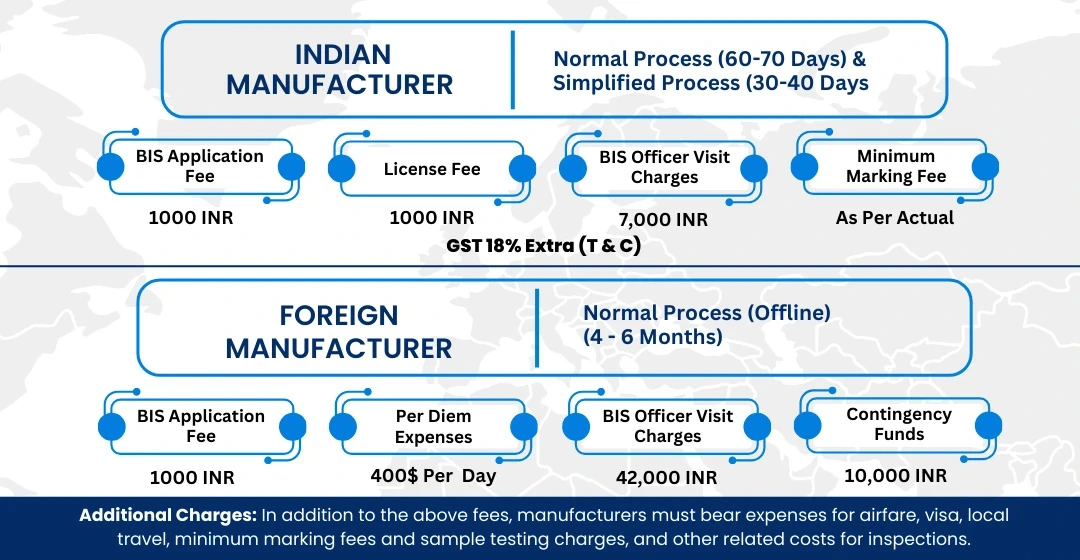
Navigating the BIS certification process can be complex, especially when it involves highly technical standards like IS/IEC 60730-2-9:2011. EVTL India, a leading regulatory consultancy, offers complete support for manufacturers seeking compliance.
EVTL India's team assists with:
Whether you're a domestic producer or an international brand entering the Indian market, EVTL India ensures your products meet the required standards efficiently and effectively.
In the world of automation and home appliances, temperature sensing controls serve as critical safety and operational components. BIS certification under IS/IEC 60730-2-9:2011 ensures that these devices are built to last, function reliably, and comply with all safety norms.
For manufacturers, this certification is not just a regulatory checkbox—it’s a mark of commitment to quality, safety, and consumer trust. As the demand for smart and efficient appliances grows, certified temperature controls will continue to play a vital role in India’s evolving electronics ecosystem.