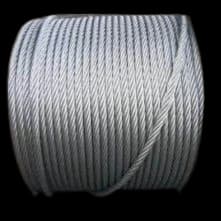
Steel wire suspension ropes are strong steel cables used in lifts, elevators, and hoisting systems to safely lift and lower loads or passengers. These ropes are designed to handle heavy tension, continuous movement, and high safety demands in vertical transportation systems. They play a key role in ensuring smooth and secure operation of elevators and hoists in residential, commercial, and industrial buildings.
To ensure safety and reliable performance, the Bureau of Indian Standards has set quality requirements under IS 2365:2024. Manufacturers must obtain BIS certification before supplying these steel wire suspension ropes in India, confirming that the product meets the required standards for strength, durability, and safe use in lifting applications.
This is the Indian standard that specifies the requirements for steel wire suspension ropes used in lifts, elevators, and hoisting equipment. It is issued by the Bureau of Indian Standards to ensure these rope is:
BIS certification under IS 2365:2024 is required for all entities involved in the manufacturing, import, and distribution of these steel ropes used in lifts, elevators, and hoists in India.
It is applicable for:
This certification is regulated by the Bureau of Indian Standards and ensures safety, reliability, and compliance in elevator applications.
As per IS 2365:2024 / ISO 4344:2022, the Bureau of Indian Standards has defined detailed testing and inspection requirements to ensure steel wire ropes used in lifts, elevators, and hoists are safe, strong, and reliable for lifting operations.
Wire Material Check (S): Ensures wire meets required steel standards as per approved specifications
Core Material Verification (S): Confirms fibre or steel core quality used inside the rope
Lubrication Check (S): Ensures correct lubricant type and application for durability and smooth operation
Diameter Measurement (R): Confirms rope thickness is within specified tolerance limits
Lay and Construction Check (R): Ensures correct rope structure and twisting pattern
Length Measurement (R): Verifies correct rope length without variation
Uniformity Check (R): Ensures consistency in rope formation along full length
Breaking Load Test (R): Confirms rope can withstand specified minimum load before failure
Wire Tensile Strength Test (R): Checks strength of individual wires within the rope
Stretch Test (S): Evaluates elongation behaviour under applied load
Flexibility Test (S): Ensures rope can bend smoothly without damage
Surface Condition Check (R): Ensures rope is free from rust, cracks, or visible defects
Wire Joint Inspection (R): Confirms proper joining and integrity of wires
End Finish Check (R): Ensures rope ends are properly secured for safe installation
Perforation/Post-Formation Check (R): Ensures correct formation during manufacturing process

To obtain BIS certification, manufacturers and other entities involved must follow the standard approval process defined by the Bureau of Indian Standards to ensure compliance with IS 2365
The following documents are typically required for obtaining BIS approval:
Foreign manufacturers must additionally appoint an Authorized Indian Representative (AIR) to coordinate with the Bureau of Indian Standards (BIS) and manage compliance requirements in India.
After obtaining the BIS license, the ISI mark for steel wire suspension ropes must be clearly and permanently applied on the product or its packaging. Other required details are provided in the table below. This ensures the product is compliant with applicable quality and safety standards.
Note:Marking is typically applied using durable stamping, tagging, or permanent printing to ensure clear identification during handling, storage, and transportation, as per BIS marking requirements.
After obtaining BIS approval for the nickel battery, the license is valid for a fixed period and must be maintained by following BIS rules and standards.
The cost of BIS compliance for the portable batteries includes charges for application, inspection, license, testing, and marking. These fees are paid to BIS as per Scheme I guidelines.
Note:
BIS certification for steel wire suspension ropes under IS 2365:2024 / ISO 4344:2022 ensures that the product meets strict safety and performance standards required for use in lifts, elevators, and hoisting systems. It confirms that the ropes are properly tested for strength, construction quality, dimensions, and overall durability, making them reliable for continuous lifting operations.
With proper testing, documentation, and compliance with BIS requirements, manufacturers can complete the certification process smoothly and supply their products in the Indian market without issues. Support from an experienced consultant like EVTL India helps simplify the process and ensures faster approval and hassle-free compliance