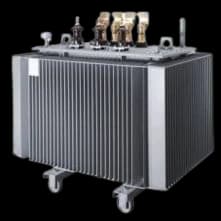
Distribution transformers play a vital role in the electrical power distribution network, ensuring efficient and safe voltage conversion for end users. Among the many types of transformers, those immersed in natural or synthetic organic ester liquids have gained prominence due to their enhanced fire safety, biodegradability, and superior insulation properties.
To ensure the quality, safety, and reliability of these transformers in the Indian market, the Bureau of Indian Standards (BIS) has mandated conformity to IS 1180: Part 3: 2021. This standard specifies the requirements for liquid-immersed distribution transformers up to and including 2500 kVA and 33 kV, using natural or synthetic organic ester liquids as the insulating medium.
The Indian Standard IS 1180: Part 3:2021 lays down comprehensive requirements for distribution transformers that use environmentally friendly insulating liquids. These transformers are designed to deliver high performance while minimizing risks related to flammability and environmental contamination.
The standard ensures that transformers maintain a high degree of electrical efficiency and safety under varying load and environmental conditions. It includes design, performance, and testing parameters that manufacturers must comply with to qualify for BIS certification.
BIS certification under IS 1180: Part 3 ensures that transformers are:
With an increasing focus on fire-safe, sustainable infrastructure, BIS certification for ester-immersed transformers is becoming indispensable in both urban and rural electrification projects.
Transformers covered under IS 1180: Part 3: 2021 undergo a series of critical tests to verify their performance, insulation, durability, and safety. These include:
These tests, conducted either at BIS-approved labs or in accredited manufacturing facilities, form the technical backbone of the certification process.

Though BIS certification is a technical process, the core steps remain structured and straightforward:
Additionally, manufacturers may be required to provide proof of compliance with environmental and safety regulations, depending on the specific type of product being certified.
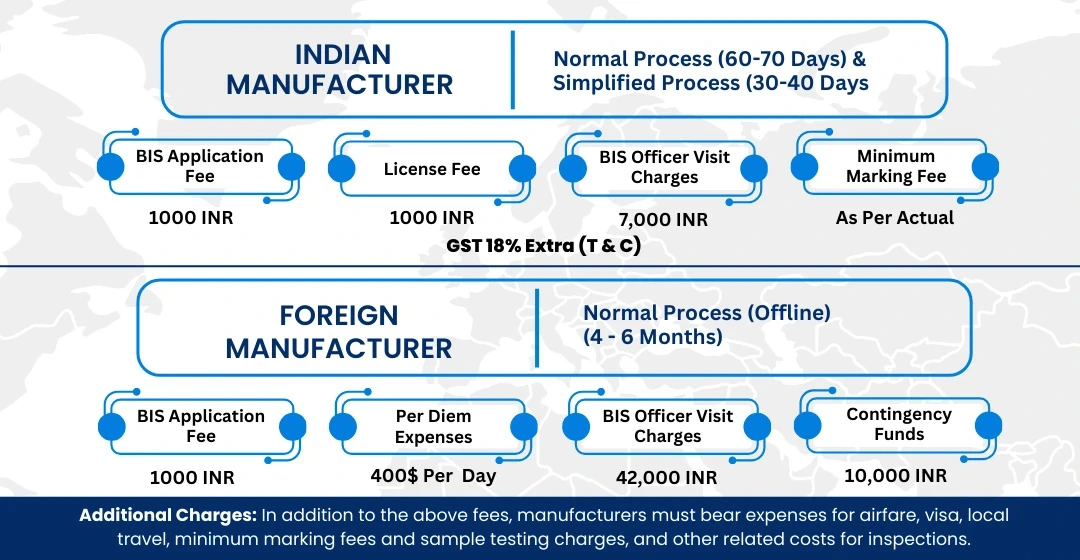
EVTL India, a premier regulatory compliance consultancy, specializes in helping transformer manufacturers navigate the BIS certification process efficiently. With deep domain knowledge and a hands-on approach, EVTL India offers:
Whether you're a domestic manufacturer or an international exporter looking to enter the Indian market, EVTL India ensures a smooth and compliant certification process, minimizing delays and maximizing market opportunities.
With the shift towards sustainable and safe electrical infrastructure, BIS certification for ester-immersed distribution transformers up to 2500 kVA and 33 kV is no longer optional—it’s essential. Adhering to IS 1180: Part 3: 2021 not only ensures legal compliance but also boosts product credibility, opens new business avenues, and builds trust among end users.
Partner with EVTL India to achieve certification with confidence and ensure your transformers are ready for the Indian power grid.