
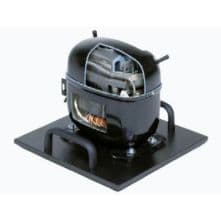
Hermetic compressors are essential components in air conditioning, refrigeration systems, and heat pumps, known for their compact design and reliable performance. These compressors feature a sealed casing that houses both the motor and compressor, preventing refrigerant leaks and reducing maintenance needs. Commonly used in refrigerators, freezers, and HVAC systems, hermetic compressors offer energy-efficient and space-saving solutions.
BIS certification under IS 10617:2018 ensures that these compressors meet rigorous standards for design, performance, energy efficiency, safety, and durability. The standard covers key parameters like cooling capacity, noise levels, and safety features, ensuring that certified compressors operate reliably while adhering to environmental and safety norms. By obtaining BIS certification, manufacturers can offer customers a trustworthy product, backed by assured quality, reliability, and performance.
IS 10617:2018 outlines the specifications for hermetic compressors, which are critical components in refrigeration, air conditioning, and heat pump systems. These compressors feature a sealed design that minimizes the risk of refrigerant leakage, enhances operational safety, and reduces maintenance requirements. In India, manufacturers must obtain BIS certification to market hermetic compressors, ensuring compliance with national standards for performance, energy efficiency, safety, and environmental impact. The ISI mark signifies that the compressors have passed rigorous testing and meet the criteria set in IS 10617:2018, assuring customers of their reliability, durability, and compliance with industry norms.
BIS certification for hermetic compressors is vital for several reasons. Firstly, IS 10617:2018 ensures that these compressors meet essential performance standards, including cooling capacity, efficiency, and long-term reliability. Compliance with BIS standards also guarantees energy efficiency, helping reduce power consumption, which is crucial for commercial applications. Safety is another key consideration, as certified compressors are designed to prevent refrigerant leaks, electrical hazards, and overheating. The certification also ensures that the materials used comply with environmental guidelines, such as reducing global warming potential (GWP) and ozone depletion potential (ODP). Additionally, BIS certification confirms the durability and structural integrity of the compressors, ensuring they remain reliable throughout their lifespan. Finally, the ISI mark instills consumer confidence, serving as a symbol of quality and safety.
IS 10617:2018 specifies the requirements for hermetic compressors, focusing on key factors like cooling capacity, energy efficiency, durability, and safety. The standard ensures compressors provide sufficient cooling, minimize energy use, and meet noise level guidelines. It mandates safe electrical design, corrosion resistance, and compatibility with environmentally safe refrigerants. The standard also outlines rigorous testing to verify performance and reliability, ensuring hermetic compressors are safe, efficient, and long-lasting.

The BIS certification process for hermetic compressors under IS 10617:2018 typically follows these steps:
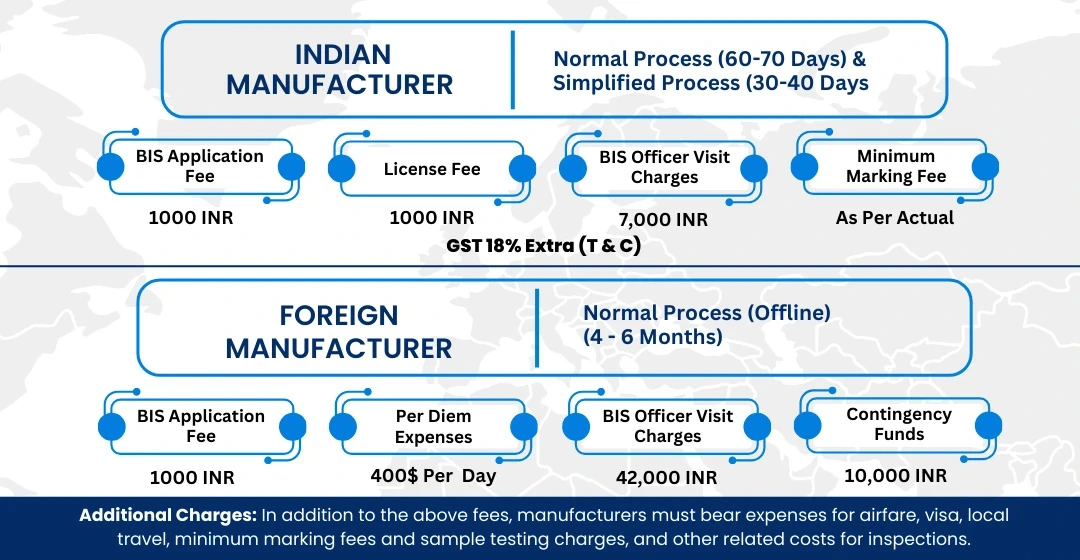
BIS certification for hermetic compressors under IS 10617:2018 ensures that compressors meet the necessary performance, safety, and energy efficiency standards for use in refrigeration and air conditioning systems. By obtaining BIS certification, manufacturers demonstrate their commitment to producing high-quality, reliable, and environmentally responsible products that provide optimal performance for consumers. EVTL India offers expert consultancy services to assist manufacturers with the BIS certification process. Our team helps ensure compliance with IS 10617:2018, guiding you through documentation, testing, and factory inspections, and facilitating a smooth certification process. With BIS certification, your hermetic compressors will gain a competitive edge in the market, fostering consumer trust and enhancing business growth.