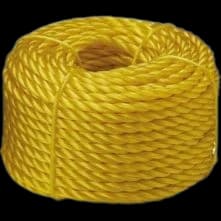
Composite Synthetic Fibre Ropes are high-performance ropes made from a combination of synthetic materials like polypropylene, polyester, and nylon. These ropes are known for their excellent strength, durability, and lightweight properties, making them ideal for various applications in shipping, offshore operations, construction, and industrial use. Composite synthetic ropes offer superior resistance to abrasion, chemicals, and UV rays, providing long-lasting performance in challenging environments.
Composite Synthetic Fibre Ropes are a crucial component in industries where strength, flexibility, and safety are paramount. With the increasing demand for durable and lightweight materials, these ropes have become indispensable in sectors like marine, construction, and industrial operations. The Ministry of Textiles, through the Ropes and Cordages (Quality Control) Order, 2024, has mandated BIS certification for all manufacturers of composite synthetic fibre ropes, ensuring that only high-quality and safe products reach the Indian market.
BIS certification is necessary for Composite Synthetic Fibre Ropes to ensure that they comply with the stringent quality and safety standards set by the Bureau of Indian Standards (BIS). The Ropes and Cordages (Quality Control) Order, 2024, requires all manufacturers to obtain BIS certification before selling their products in India. Non-compliance with this order can result in severe penalties, including imprisonment, fines, and the seizure of uncertified products. BIS certification ensures that the ropes meet the required durability, safety, and performance standards, protecting both manufacturers and consumers.
The Indian Standard IS 14928:2001 specifies the material, construction, and performance requirements for Composite Synthetic Fibre Ropes. This standard ensures that the ropes have the necessary tensile strength, resistance to environmental conditions, and durability to meet the needs of various industries. With the enforcement of the Ropes and Cordages (Quality Control) Order, 2024, adherence to IS 14928:2001 becomes mandatory, guaranteeing that only high-quality ropes are produced and sold in the Indian market. Manufacturers must comply with this standard to obtain BIS certification and display the ISI mark on their products.
The BIS certification process for Composite Synthetic Fibre Ropes involves multiple steps, designed to thoroughly evaluate a product's compliance with the required standards. Here is a general overview of the certification process:

Additionally, manufacturers may be required to provide proof of compliance with environmental and safety regulations, depending on the specific type of product being certified.

In conclusion, BIS certification for Composite Synthetic Fibre Ropes ensures compliance with Indian safety and quality standards, providing confidence to both manufacturers and consumers. Adhering to Indian Standard IS 14928:2001 is mandatory under the Ropes and Cordages (Quality Control) Order, 2024, ensuring only certified, high-quality ropes are sold in the Indian market.
Navigating the BIS certification process can be challenging, especially for small and medium-sized enterprises. EVTL India is a leading consultancy firm dedicated to assisting manufacturers in obtaining BIS certification (ISI Mark) efficiently. With expertise in managing BIS portal submissions, documentation, and regulatory fees, EVTL India ensures a smooth and successful certification process. By choosing EVTL India, manufacturers can enhance their product's marketability both in India and internationally, securing a competitive edge. Additionally, EVTL India provides ongoing support post-certification, helping manufacturers maintain compliance with BIS standards and renew their licenses as needed.